MyBatis核心知识
本文深入解析MyBatis框架,涵盖核心对象如SqlSessionFactory和SqlSession的功能与使用,配置文件的详细解析,包括properties、settings、typeAliases等元素,以及映射文件的结构和SQL语句的执行方式。
文章信息
- 原文链接:https://jiayq.blog.csdn.net/article/details/87988985
- 发布时间:2019-03-01 20:08:46
- 阅读量:774
- 分类:java同时被 3 个专栏收录, 订阅专栏, mybatis, MyBatis
- 标签:#MyBatis源码详解, #MyBatis配置详解, #MyBatis标签详解, #MyBatis静态配置, #MyBatis静态SQL所有配置
摘要
文章浏览阅读774次。本文深入解析MyBatis框架,涵盖核心对象如SqlSessionFactory和SqlSession的功能与使用,配置文件的详细解析,包括properties、settings、typeAliases等元素,以及映射文件的结构和SQL语句的执行方式。
MyBatis理论知识
- 1.MyBatis核心对象
- 1.1SqlSessionFactory
- 1.2SqlSession
- 1.3总结
- 1.1SqlSessionFactory
- 2.配置文件
- 2.1主要元素
- 2.2properties元素
- 2.3setting元素
- 2.4typeAliases
- 2.5typeHandler
- 2.6objectFactory
- 2.7plugins
- 2.8environments
- 2.9.数据源类型
- 2.9.1UNPOOLED
- 2.9.2POOLED
- 2.9.3JNDI
- 2.9.1UNPOOLED
- 2.10mappers
- 2.1主要元素
- 3.映射文件
- 3.1select
- 3.2insert
- 3.3update
- 3.4delete
- 3.5sql
- 3.6resultMap
- 3.1select
1.MyBatis核心对象
1.1SqlSessionFactory
SqlSessionFactory是单个数据库映射关系经过编译的内存镜像,主要用来创建SqlSession。
通过xml配置创建SqlSessionFactory实例
1
2
3
4
5
6
String resource = "resource/mybatis.xml";
		// 1.读取配置文件
		InputStream inputStream = Resources.getResourceAsStream(resource);
		// 2.根据配置文件构建SqlSessionFactory
		SqlSessionFactory sqlSessionFactory = new SqlSessionFactoryBuilder()
				.build(inputStream);
SqlSessionFactory对象是线程安全的,一旦被创建,在整个应用程序期间都会存在,所以如果大量的创建SqlSessionFactory对象,很可能会耗完数据库的连接资源,所以SqlSessionFactory尽可能使用单例模式。
SqlSessionFactory有哪些方法:
1
2
3
4
5
6
7
8
9
10
11
12
13
14
15
16
public interface SqlSessionFactory {

  SqlSession openSession();

  SqlSession openSession(boolean autoCommit);
  SqlSession openSession(Connection connection);
  SqlSession openSession(TransactionIsolationLevel level);

  SqlSession openSession(ExecutorType execType);
  SqlSession openSession(ExecutorType execType, boolean autoCommit);
  SqlSession openSession(ExecutorType execType, TransactionIsolationLevel level);
  SqlSession openSession(ExecutorType execType, Connection connection);

  Configuration getConfiguration();

}
1.2SqlSession
SqlSession是应用程序与持久层之执行交互操作的一个单线程对象,主要执行持久化操作;SqlSession底层封装了JDBC连接,所以可以直接用SqlSession实例执行已映射的SQL语句。
SqlSession线程不安全,所以SqlSession的使用范围应当在局部使用,使用完毕后及时的关闭SqlSession,其他需要使用的地方需要重新获取。
SqlSession的方法非常的多:
查询:
1
2
3
4
5
6
7
8
9
10
11
12
13
14
15
16
17
18
19
20
21
22
23
24
25
26
27
28
29
30
31
32
33
34
35
36
37
38
39
40
41
42
43
44
45
46
47
48
49
50
51
52
53
54
55
56
57
58
59
60
61
62
63
64
65
66
67
68
69
70
71
72
73
74
75
76
77
78
79
80
81
82
83
84
85
86
87
88
89
90
91
92
93
94
95
96
97
98
99
100
101
102
103
104
105
106
107
108
109
110
111
112
113
114
115
116
117
118
119
120
121
122
123
124
125
126
127
128
129
130
131
132
133
134
135
136
137
/**
   * Retrieve a single row mapped from the statement key
   * @param <T> the returned object type
   * @param statement
   * @return Mapped object
   */
  <T> T selectOne(String statement);

  /**
   * Retrieve a single row mapped from the statement key and parameter.
   * @param <T> the returned object type
   * @param statement Unique identifier matching the statement to use.
   * @param parameter A parameter object to pass to the statement.
   * @return Mapped object
   */
  <T> T selectOne(String statement, Object parameter);

  /**
   * Retrieve a list of mapped objects from the statement key and parameter.
   * @param <E> the returned list element type
   * @param statement Unique identifier matching the statement to use.
   * @return List of mapped object
   */
  <E> List<E> selectList(String statement);

  /**
   * Retrieve a list of mapped objects from the statement key and parameter.
   * @param <E> the returned list element type
   * @param statement Unique identifier matching the statement to use.
   * @param parameter A parameter object to pass to the statement.
   * @return List of mapped object
   */
  <E> List<E> selectList(String statement, Object parameter);

  /**
   * Retrieve a list of mapped objects from the statement key and parameter,
   * within the specified row bounds.
   * @param <E> the returned list element type
   * @param statement Unique identifier matching the statement to use.
   * @param parameter A parameter object to pass to the statement.
   * @param rowBounds  Bounds to limit object retrieval
   * @return List of mapped object
   */
  <E> List<E> selectList(String statement, Object parameter, RowBounds rowBounds);

  /**
   * The selectMap is a special case in that it is designed to convert a list
   * of results into a Map based on one of the properties in the resulting
   * objects.
   * Eg. Return a of Map[Integer,Author] for selectMap("selectAuthors","id")
   * @param <K> the returned Map keys type
   * @param <V> the returned Map values type
   * @param statement Unique identifier matching the statement to use.
   * @param mapKey The property to use as key for each value in the list.
   * @return Map containing key pair data.
   */
  <K, V> Map<K, V> selectMap(String statement, String mapKey);

  /**
   * The selectMap is a special case in that it is designed to convert a list
   * of results into a Map based on one of the properties in the resulting
   * objects.
   * @param <K> the returned Map keys type
   * @param <V> the returned Map values type
   * @param statement Unique identifier matching the statement to use.
   * @param parameter A parameter object to pass to the statement.
   * @param mapKey The property to use as key for each value in the list.
   * @return Map containing key pair data.
   */
  <K, V> Map<K, V> selectMap(String statement, Object parameter, String mapKey);

  /**
   * The selectMap is a special case in that it is designed to convert a list
   * of results into a Map based on one of the properties in the resulting
   * objects.
   * @param <K> the returned Map keys type
   * @param <V> the returned Map values type
   * @param statement Unique identifier matching the statement to use.
   * @param parameter A parameter object to pass to the statement.
   * @param mapKey The property to use as key for each value in the list.
   * @param rowBounds  Bounds to limit object retrieval
   * @return Map containing key pair data.
   */
  <K, V> Map<K, V> selectMap(String statement, Object parameter, String mapKey, RowBounds rowBounds);

  /**
   * A Cursor offers the same results as a List, except it fetches data lazily using an Iterator.
   * @param <T> the returned cursor element type.
   * @param statement Unique identifier matching the statement to use.
   * @return Cursor of mapped objects
   */
  <T> Cursor<T> selectCursor(String statement);

  /**
   * A Cursor offers the same results as a List, except it fetches data lazily using an Iterator.
   * @param <T> the returned cursor element type.
   * @param statement Unique identifier matching the statement to use.
   * @param parameter A parameter object to pass to the statement.
   * @return Cursor of mapped objects
   */
  <T> Cursor<T> selectCursor(String statement, Object parameter);

  /**
   * A Cursor offers the same results as a List, except it fetches data lazily using an Iterator.
   * @param <T> the returned cursor element type.
   * @param statement Unique identifier matching the statement to use.
   * @param parameter A parameter object to pass to the statement.
   * @param rowBounds  Bounds to limit object retrieval
   * @return Cursor of mapped objects
   */
  <T> Cursor<T> selectCursor(String statement, Object parameter, RowBounds rowBounds);

  /**
   * Retrieve a single row mapped from the statement key and parameter
   * using a {@code ResultHandler}.
   * @param statement Unique identifier matching the statement to use.
   * @param parameter A parameter object to pass to the statement.
   * @param handler ResultHandler that will handle each retrieved row
   */
  void select(String statement, Object parameter, ResultHandler handler);

  /**
   * Retrieve a single row mapped from the statement
   * using a {@code ResultHandler}.
   * @param statement Unique identifier matching the statement to use.
   * @param handler ResultHandler that will handle each retrieved row
   */
  void select(String statement, ResultHandler handler);

  /**
   * Retrieve a single row mapped from the statement key and parameter
   * using a {@code ResultHandler} and {@code RowBounds}
   * @param statement Unique identifier matching the statement to use.
   * @param rowBounds RowBound instance to limit the query results
   * @param handler ResultHandler that will handle each retrieved row
   */
  void select(String statement, Object parameter, RowBounds rowBounds, ResultHandler handler);
增加
1
2
3
4
5
6
7
8
9
10
11
12
13
14
15
16
/**
   * Execute an insert statement.
   * @param statement Unique identifier matching the statement to execute.
   * @return int The number of rows affected by the insert.
   */
  int insert(String statement);

  /**
   * Execute an insert statement with the given parameter object. Any generated
   * autoincrement values or selectKey entries will modify the given parameter
   * object properties. Only the number of rows affected will be returned.
   * @param statement Unique identifier matching the statement to execute.
   * @param parameter A parameter object to pass to the statement.
   * @return int The number of rows affected by the insert.
   */
  int insert(String statement, Object parameter);
更新
1
2
3
4
5
6
7
8
9
10
11
12
13
14
/**
   * Execute an update statement. The number of rows affected will be returned.
   * @param statement Unique identifier matching the statement to execute.
   * @return int The number of rows affected by the update.
   */
  int update(String statement);

  /**
   * Execute an update statement. The number of rows affected will be returned.
   * @param statement Unique identifier matching the statement to execute.
   * @param parameter A parameter object to pass to the statement.
   * @return int The number of rows affected by the update.
   */
  int update(String statement, Object parameter);
删除
1
2
3
4
5
6
7
8
9
10
11
12
13
14
/**
   * Execute a delete statement. The number of rows affected will be returned.
   * @param statement Unique identifier matching the statement to execute.
   * @return int The number of rows affected by the delete.
   */
  int delete(String statement);

  /**
   * Execute a delete statement. The number of rows affected will be returned.
   * @param statement Unique identifier matching the statement to execute.
   * @param parameter A parameter object to pass to the statement.
   * @return int The number of rows affected by the delete.
   */
  int delete(String statement, Object parameter);
事务提交
1
2
3
4
5
6
7
8
9
10
11
12
/**
   * Flushes batch statements and commits database connection.
   * Note that database connection will not be committed if no updates/deletes/inserts were called.
   * To force the commit call {@link SqlSession#commit(boolean)}
   */
  void commit();

  /**
   * Flushes batch statements and commits database connection.
   * @param force forces connection commit
   */
  void commit(boolean force);
事务回滚
1
2
3
4
5
6
7
8
9
10
11
12
13
 /**
   * Discards pending batch statements and rolls database connection back.
   * Note that database connection will not be rolled back if no updates/deletes/inserts were called.
   * To force the rollback call {@link SqlSession#rollback(boolean)}
   */
  void rollback();

  /**
   * Discards pending batch statements and rolls database connection back.
   * Note that database connection will not be rolled back if no updates/deletes/inserts were called.
   * @param force forces connection rollback
   */
  void rollback(boolean force);
其他
1
2
3
4
5
6
7
8
9
10
11
12
13
14
15
16
17
18
19
20
21
22
23
24
25
26
27
28
29
30
31
32
33
34
35
36
37
/**
   * Flushes batch statements.
   * @return BatchResult list of updated records
   * @since 3.0.6
   */
  List<BatchResult> flushStatements();

  /**
   * Closes the session
   */
  @Override
  void close();

  /**
   * Clears local session cache
   */
  void clearCache();

  /**
   * Retrieves current configuration
   * @return Configuration
   */
  Configuration getConfiguration();

  /**
   * Retrieves a mapper.
   * @param <T> the mapper type
   * @param type Mapper interface class
   * @return a mapper bound to this SqlSession
   */
  <T> T getMapper(Class<T> type);

  /**
   * Retrieves inner database connection
   * @return Connection
   */
  Connection getConnection();
1.3总结
通过上述2点,可以知道SqlSessionFactory是线程安全的,应用程序整个期间都会存在,但是不能拥有多个实例,否则会耗尽数据库资源。
SQLSession是线程不安全的,每次使用都需要从SqlSessionFactory获取 ,而且只能在局部使用,无法共享,每次使用完必须关闭。
所以综上所述,使用SqlSessionFactory获取SqlSession时,最好使用工具类处理:
1
2
3
4
5
6
7
8
9
10
11
12
13
14
15
16
17
18
19
20
21
22
23
24
25
26
27
28
package util;

import java.io.Reader;

import org.apache.ibatis.io.Resources;
import org.apache.ibatis.session.SqlSession;
import org.apache.ibatis.session.SqlSessionFactory;
import org.apache.ibatis.session.SqlSessionFactoryBuilder;

public class MyBatisSessionUtils {

	private static SqlSessionFactory sessionFactory = null;

	private static final String PATH="resource/mybatis.xml";

	static{
		try{
			Reader reader = Resources.getResourceAsReader(PATH);
			sessionFactory = new SqlSessionFactoryBuilder().build(reader);
		} catch (Exception e){
			e.printStackTrace();
		}
	}

	public static SqlSession getSession(){
		return sessionFactory.openSession();
	}
}
2.配置文件
2.1主要元素
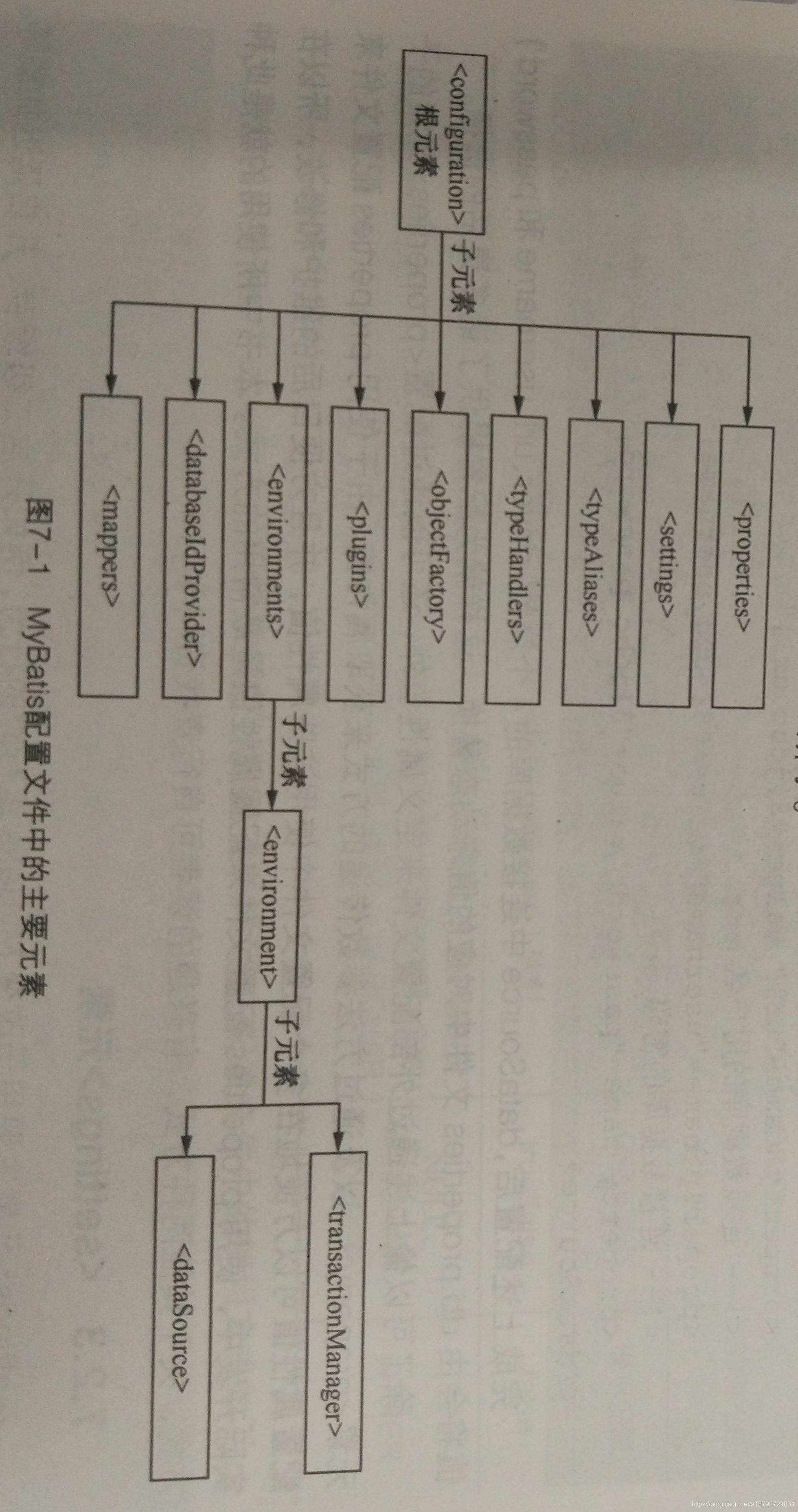
configuration的子元素必须按照上述顺序进行配置。
2.2properties元素
properties元素是一个配置属性的元素,用于将内部的配置外在化,通过外部的配置动态的替换内部的属性。
ojdbc.properties
1
2
3
4
driver=oracle.jdbc.driver.OracleDriver
url=jdbc:oracle:thin:@127.0.0.1:1521:oracle
username=study
password=study
mybatis.xml
1
2
3
4
5
6
7
8
9
10
11
12
13
14
15
16
17
18
19
20
21
<?xml version="1.0" encoding="UTF-8" ?>
<!DOCTYPE configuration
  PUBLIC "-//mybatis.org//DTD Config 3.0//EN"
  "http://mybatis.org/dtd/mybatis-3-config.dtd">
<configuration>
  <properties resource="property/ojdbc.properties"></properties>
  <environments default="oracle">
    <environment id="oracle">
      <transactionManager type="JDBC"/>
      <dataSource type="POOLED">
        <property name="driver" value="${driver}"/>
        <property name="url" value="${url}"/>
        <property name="username" value="${username}"/>
        <property name="password" value="${password}"/>
      </dataSource>
    </environment>
  </environments>
  <mappers>
    <mapper resource="mapper/PeopleMapper.xml"/>
  </mappers>
</configuration>
2.3setting元素
setting元素用于改变MyBatis运行时的行为,例如开启二级缓存、开启延时加载等等。
1
2
3
4
5
6
7
8
9
10
11
12
13
14
15
16
17
18
19
20
21
22
23
24
25
26
27
28
29
30
<!-- 改变运行时行为 -->
  <settings>
  	<!-- value是默认值 -->
  	<!-- 全局缓存全局 -->
  	<setting name="cacheEnabled" value="false"/>
  	<!-- 延迟加载全局 -->
  	<setting name="lazyLoadingEnabled" value="false"/>
  	<!-- 关联对象属性的延迟加载 -->
  	<setting name="aggressiveLazyLoading" value="true"/>
  	<!-- 单一语句返回多结果集 -->
  	<setting name="multipleResultSetsEnabled" value="true"/>
  	<!-- 列标签代替列名 -->
  	<setting name="useColumnLabel" value="true"/>
  	<!-- JDBC支持自动生成主键 -->
  	<setting name="useGeneratedKeys" value="false"/>
  	<!-- 如何自动映射列到字段或者属性 -->
  	<!-- NONE|FULL -->
  	<setting name="autoMappingBehavior" value="PARTIAL"/>
  	<!-- 默认的执行器 -->
  	<!-- REUSE|BATCH -->
  	<setting name="defaultExecutorType" value="SIMPLE"/>
  	<!-- 设置超时时间 -->
  	<!-- 正整数 -->
  	<setting name="defaultStatementTimeout" value=""/>
  	<!-- 自动驼峰命名规则 -->
  	<setting name="mapUnderscoreToCamelCase" value="false"/>
  	<!-- 为空值指定JDBC类型 -->
  	<!-- NULL|VARCHAR -->
  	<setting name="jdbcTypeForNull" value="OTHER"/>
  </settings>
2.4typeAliases
1
2
3
4
5
6
<typeAliases>
	  <!-- 配置别名 -->
  	<typeAlias type="domain.People" alias="people"/>
  	<!-- 自动扫描 (类首字母小写)-->
  	<package name="domain"/>
  </typeAliases>
注解
1
2
3
4
5
6
7
8
@Alias(value = "people")
public class People implements Serializable{

	/**
	 *
	 */
	private static final long serialVersionUID = -3270893239281340723L;
}
2.5typeHandler
类型处理器
1
2
3
4
5
6
<typeHandlers>
  	<!-- 单个类的类型处理器 -->
  	<typeHandler handler="domain.People"/>
  	<!-- 注册一个包中所有类的类型处理器 -->
  	<package name="domain"/>
  </typeHandlers>
2.6objectFactory
实例化工厂
默认:
1
2
3
4
5
6
7
8
9
10
11
12
13
14
15
16
17
18
19
20
21
22
23
24
25
26
27
28
29
30
31
32
33
34
35
36
37
38
39
40
41
42
43
44
45
46
47
48
49
50
51
52
53
54
55
56
57
58
59
60
61
62
63
64
65
66
67
68
69
70
71
72
73
74
75
76
77
78
79
80
81
82
83
84
85
86
87
88
89
90
91
92
93
94
95
96
97
98
99
100
101
102
103
104
105
106
107
108
109
110
111
112
113
114
115
116
117
118
119
120
121
122
123
124
125
126
127
128
/**
 *    Copyright 2009-2018 the original author or authors.
 *
 *    Licensed under the Apache License, Version 2.0 (the "License");
 *    you may not use this file except in compliance with the License.
 *    You may obtain a copy of the License at
 *
 *       http://www.apache.org/licenses/LICENSE-2.0
 *
 *    Unless required by applicable law or agreed to in writing, software
 *    distributed under the License is distributed on an "AS IS" BASIS,
 *    WITHOUT WARRANTIES OR CONDITIONS OF ANY KIND, either express or implied.
 *    See the License for the specific language governing permissions and
 *    limitations under the License.
 */
package org.apache.ibatis.reflection.factory;

import java.io.Serializable;
import java.lang.reflect.Constructor;
import java.util.ArrayList;
import java.util.Collection;
import java.util.HashMap;
import java.util.HashSet;
import java.util.List;
import java.util.Map;
import java.util.Properties;
import java.util.Set;
import java.util.SortedSet;
import java.util.TreeSet;

import org.apache.ibatis.reflection.ReflectionException;
import org.apache.ibatis.reflection.Reflector;

/**
 * @author Clinton Begin
 */
public class DefaultObjectFactory implements ObjectFactory, Serializable {

  private static final long serialVersionUID = -8855120656740914948L;

  @Override
  public <T> T create(Class<T> type) {
    return create(type, null, null);
  }

  @SuppressWarnings("unchecked")
  @Override
  public <T> T create(Class<T> type, List<Class<?>> constructorArgTypes, List<Object> constructorArgs) {
    Class<?> classToCreate = resolveInterface(type);
    // we know types are assignable
    return (T) instantiateClass(classToCreate, constructorArgTypes, constructorArgs);
  }

  @Override
  public void setProperties(Properties properties) {
    // no props for default
  }

  private  <T> T instantiateClass(Class<T> type, List<Class<?>> constructorArgTypes, List<Object> constructorArgs) {
    try {
      Constructor<T> constructor;
      if (constructorArgTypes == null || constructorArgs == null) {
        constructor = type.getDeclaredConstructor();
        try {
          return constructor.newInstance();
        } catch (IllegalAccessException e) {
          if (Reflector.canControlMemberAccessible()) {
            constructor.setAccessible(true);
            return constructor.newInstance();
          } else {
            throw e;
          }
        }
      }
      constructor = type.getDeclaredConstructor(constructorArgTypes.toArray(new Class[constructorArgTypes.size()]));
      try {
        return constructor.newInstance(constructorArgs.toArray(new Object[constructorArgs.size()]));
      } catch (IllegalAccessException e) {
        if (Reflector.canControlMemberAccessible()) {
          constructor.setAccessible(true);
          return constructor.newInstance(constructorArgs.toArray(new Object[constructorArgs.size()]));
        } else {
          throw e;
        }
      }
    } catch (Exception e) {
      StringBuilder argTypes = new StringBuilder();
      if (constructorArgTypes != null && !constructorArgTypes.isEmpty()) {
        for (Class<?> argType : constructorArgTypes) {
          argTypes.append(argType.getSimpleName());
          argTypes.append(",");
        }
        argTypes.deleteCharAt(argTypes.length() - 1); // remove trailing ,
      }
      StringBuilder argValues = new StringBuilder();
      if (constructorArgs != null && !constructorArgs.isEmpty()) {
        for (Object argValue : constructorArgs) {
          argValues.append(String.valueOf(argValue));
          argValues.append(",");
        }
        argValues.deleteCharAt(argValues.length() - 1); // remove trailing ,
      }
      throw new ReflectionException("Error instantiating " + type + " with invalid types (" + argTypes + ") or values (" + argValues + "). Cause: " + e, e);
    }
  }

  protected Class<?> resolveInterface(Class<?> type) {
    Class<?> classToCreate;
    if (type == List.class || type == Collection.class || type == Iterable.class) {
      classToCreate = ArrayList.class;
    } else if (type == Map.class) {
      classToCreate = HashMap.class;
    } else if (type == SortedSet.class) { // issue #510 Collections Support
      classToCreate = TreeSet.class;
    } else if (type == Set.class) {
      classToCreate = HashSet.class;
    } else {
      classToCreate = type;
    }
    return classToCreate;
  }

  @Override
  public <T> boolean isCollection(Class<T> type) {
    return Collection.class.isAssignableFrom(type);
  }

}
自定义
1
2
3
4
5
6
7
8
9
10
11
12
13
14
15
16
17
18
19
20
21
22
23
24
25
26
27
28
29
30
31
32
33
34
35
36
37
38
39
40
41
42
package factory;

import java.util.List;
import java.util.Properties;

import org.apache.ibatis.reflection.factory.DefaultObjectFactory;

public class ClassFactory extends DefaultObjectFactory{

	/**
	 *
	 */
	private static final long serialVersionUID = -9058254644564555623L;

	@Override
	public <T> T create(Class<T> type) {
		return super.create(type);
	}

	@Override
	public <T> T create(Class<T> type, List<Class<?>> constructorArgTypes,
			List<Object> constructorArgs) {
		return super.create(type, constructorArgTypes, constructorArgs);
	}

	@Override
	public void setProperties(Properties properties) {
		super.setProperties(properties);
	}

	@Override
	protected Class<?> resolveInterface(Class<?> type) {
		return super.resolveInterface(type);
	}

	@Override
	public <T> boolean isCollection(Class<T> type) {
		return super.isCollection(type);
	}


}
配置使用
1
2
3
4
  <!-- 配置类处理器  -->
  <objectFactory type="factory.ClassFactory">
  	<property name="name" value="ClassFactory"/>
  </objectFactory>
2.7plugins
拦截插件的调用配置
2.8environments
环境配置
1
2
3
4
5
6
7
8
9
10
11
12
<!-- 环境配置 -->
  <environments default="oracle">
    <environment id="oracle">
      <transactionManager type="JDBC"/>
      <dataSource type="POOLED">
        <property name="driver" value="${driver}"/>
        <property name="url" value="${url}"/>
        <property name="username" value="${username}"/>
        <property name="password" value="${password}"/>
      </dataSource>
    </environment>
  </environments>
2.9.数据源类型
2.9.1UNPOOLED
每次请求时都会打开和关闭连接
2.9.2POOLED
“池”的概念处理JDBC连接对象
2.9.3JNDI
在EJB或者应用服务器中使用,可以集中或在外部配置数据源,通过JNDI上下文引用。
2.10mappers
用于指定mapper.xml的位置
1
2
3
4
5
6
7
8
9
10
11
<mappers>
  	<!-- 类路径引入 -->
    <mapper resource="mapper/PeopleMapper.xml"/>
    <!-- 本地文件路径引入 -->
    <mapper url="file:///D:/PeopleMapper.xml"/>
    <!-- 使用接口类引入 -->
    <!-- 配置的是接口的类路径 -->
    <mapper class="intf.PeopleDao"/>
    <!-- 使用包名引入 -->
    <package name="intf"/>
  </mappers>
3.映射文件
mapper->:
select
insert
update
delete
sql
cache
cache-ref
resultMap
3.1select
1
2
3
4
<select id="selectPeopleById" resultType="domain.People"
  	parameterType="Long">
    	select * from people where id = #{id}
  </select>
id与命名空间联合使用定位,唯一
parameterType参数的全类名或者别名
resultType返回的全类名或者别名
resultMap外部resultMap的引用
flushCache清空本地缓存和二级缓存
useCache控制二级缓存的开关
timeout设置超时,秒
fetchSize获取总数
statementType设置使用JDBC的工作的Statement
resultSetType表示结果集的类型
3.2insert
1
2
3
4
<insert id="addPeople" parameterType="domain.People">
  		insert into people(id,name,age,sex)
  		values(SEQ_PEOPLE.NEXTVAL,#{name},#{age},#{sex})
  </insert>
keyProperty插入或者更新操作返回值赋给属性
keyColumn设置第几列是主键(主键不是表中第一列时需要设置,主键联合用逗号分隔)
useGeneratedKeys获取数据库内部生产的主键(自增主键。。)
3.3update
1
2
3
<update id="updatePeople" parameterType="domain.People">
  		update people set name=#{name},age=#{age},sex=#{sex} where id=#{id}
  </update>
3.4delete
1
2
3
<delete id="deletePeopleById" parameterType="Long">
  		delete people p where p.id=#{id}
  </delete>
3.5sql
重复的sql片段
1
2
3
4
5
6
<sql id="str_select">
  	p.id,p.name,p.age,p.sex
  </sql>
  <select id="selectWithSql">
  	select <include refid="str_select"></include> from people p
  </select>
3.6resultMap
结果集映射
1
2
3
4
5
6
7
8
9
10
11
12
13
14
15
16
17
18
19
20
21
22
23
24
25
<!-- resultMap结构 -->
  <resultMap type="domain.People" id="resultMapPeople">
  	<!-- 构造注入 -->
  	<constructor>
  		<!-- id注入 -->
  		<idArg/>
  		<!-- 普通结果 -->
  		<arg/>
  	</constructor>
  	<!-- 主键 -->
  	<id property="id" column="id"/>
  	<!-- 普通结果 -->
  	<result property="name" column="name"/>
  	<result property="age" column="age"/>
  	<result property="sex" column="sesx"/>
  	<!-- 一对一关联 -->
  	<association property=""></association>
  	<!-- 一对多关联 -->
  	<collection property=""></collection>
  	<!-- 使用结果来决定使用哪个结果映射 -->
  	<discriminator javaType="">
  		<!-- 基于某些值的结果映射 -->
  		<case value=""></case>
  	</discriminator>
  </resultMap>